Short-Run Printing vs. Long-Run Printing: Which Is Right for Your Business?
Every printing project comes with different requirements. While some businesses need thousands of copies of the same document, others require smaller quantities with frequent design changes and customised content. For commercial printers and print service providers, choosing the right printing method is important for maintaining quality, managing production costs and meeting delivery deadlines. Two commonly used approaches are short-run and long-run printing. Both serve different purposes, and understanding how they work can help businesses make better decisions about their printing requirements.
What Is Short-Run Printing?
Short-run printing refers to producing a relatively small quantity of printed materials for a specific requirement. It is particularly useful when businesses need limited quantities, customised designs or frequent content updates. Digital printing has made short-run production more accessible by reducing the setup requirements associated with traditional printing methods. This allows print service providers to handle smaller jobs efficiently without the need for extensive pre-production preparation.
Some common applications of short-run printing include:
- Product brochures and catalogues.
- Event invitations and promotional materials.
- Books, booklets and newsletters.
- Personalised direct mail and marketing communication.
- Regional campaigns and limited-edition publications.
Short-run printing is especially useful when the requirement involves multiple design variations or when producing large quantities may not be practical.
What Is Long-Run Printing?
Long-run printing involves producing large quantities of the same printed material, usually with consistent content and specifications throughout the job. It is commonly used by businesses that require high volumes of standardised printed materials. Traditional offset printing is often preferred for large production runs because its setup costs can be distributed across a greater number of copies, making it commercially suitable for certain high-volume jobs.
Common applications include:
- Newspapers and magazines.
- Large-volume catalogues.
- Books and educational publications.
- Corporate stationery and standardised documents.
- Mass promotional and advertising materials.
Long-run printing is generally suitable when the design remains unchanged, and the required quantity is substantial.
Short-Run vs. Long-Run Printing: Understanding the Key Differences
Although both methods are used in commercial printing, they differ in terms of production requirements, flexibility and cost considerations.
- Print Quantity
The most obvious difference is the number of copies required. Short-run printing is suitable for smaller quantities, while long-run printing is designed for larger production volumes. The choice depends on the order size and the intended use of the printed material.
- Customisation and Flexibility
Short-run digital printing offers greater flexibility when businesses need to make changes to content, artwork or design between jobs. It can also support variable data printing, where individual copies contain customised information, provided the equipment and workflow support this capability. Long-run printing is generally more suitable for producing large quantities of identical material where frequent changes are not required.
- Setup and Production Requirements
Digital printing typically involves fewer setup steps, making it practical for smaller jobs and frequent design updates.
Traditional offset printing requires additional preparation, including plate creation and press setup. While this can increase initial costs, it may become more economical for larger production runs.
- Turnaround Time
Short-run digital printing can often move into production more quickly because of its relatively simple setup process. This makes it useful for projects with limited quantities and shorter delivery schedules. Long-run jobs may require more preparation and production planning, particularly when large quantities and finishing processes are involved.
- Cost Considerations
The cost of a printing job depends on several factors, including quantity, paper type, ink or toner consumption, setup requirements and finishing. Short-run digital printing can be more economical for smaller quantities because it involves fewer initial setup requirements. For larger quantities, offset printing may offer a lower cost per copy. However, the most suitable option should always be evaluated against the total job cost rather than the printing method alone.
Where Does Digital Production Printing Fit In?
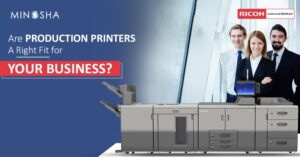
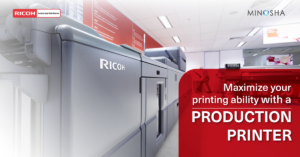
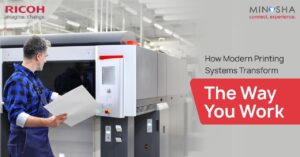
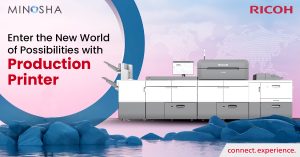
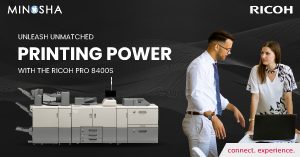
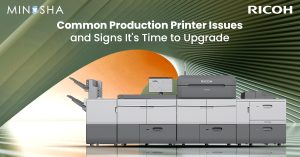
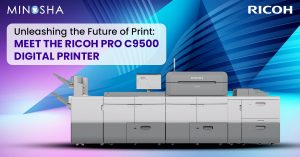
As customer requirements become more varied, commercial printers need solutions that can handle different job sizes without compromising on quality and productivity. Digital production printing offers flexibility by supporting applications ranging from short-run brochures and personalised marketing materials to selected higher-volume print jobs. Modern production printing systems can also support different paper weights, media formats and specialised print applications, depending on the machine’s capabilities. For print service providers, this creates opportunities to manage a wider range of customer requirements and explore applications beyond conventional printing.
Conclusion
Short-run and long-run printing each have an important role in the commercial printing industry. While long-run printing remains suitable for large quantities of standardised materials, short-run printing offers the flexibility to manage smaller jobs, customised content and changing customer requirements.
With the continued development of digital production printing, businesses have more opportunities to manage diverse print applications and respond to evolving market demands.
At Minosha Print Solutions, we offer access to Ricoh digital production printing solutions designed to address different professional printing requirements. Whether you are looking to handle customised short-run jobs or expand your production capabilities, selecting the right technology starts with understanding your business needs.
Explore Ricoh’s digital production printing solutions with Minosha Print Solutions and discover new possibilities for your printing business.