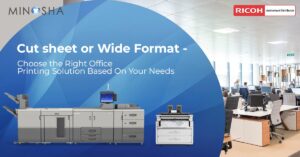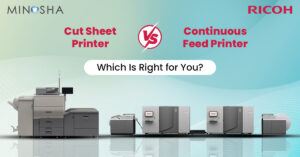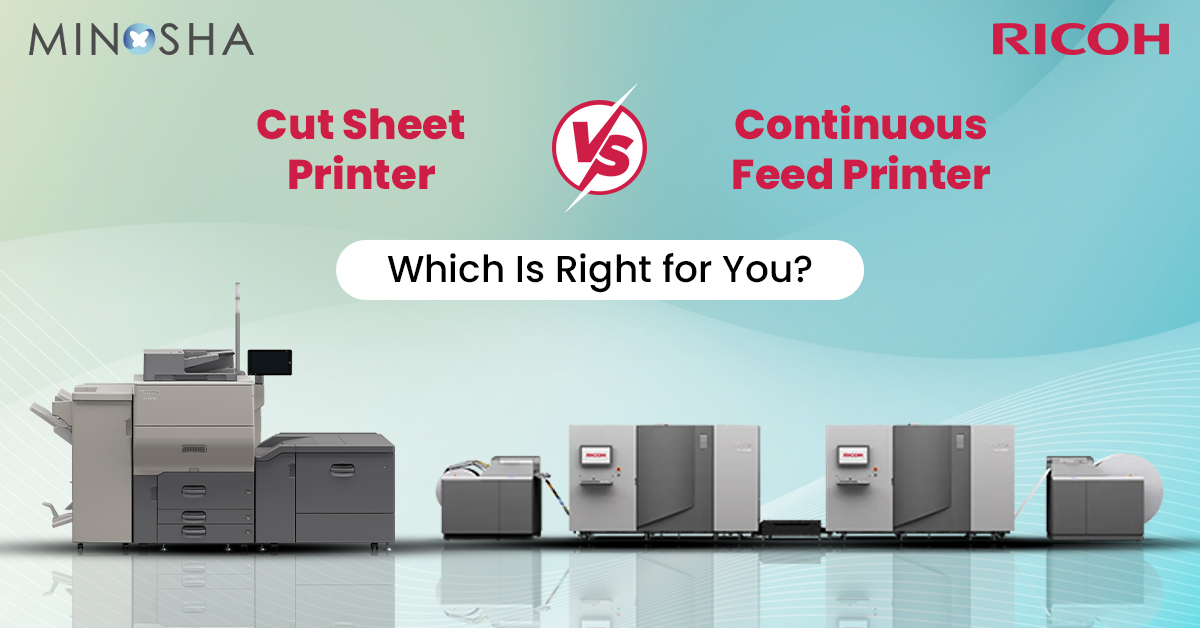
Cut Sheet Printer vs Continuous Feed Printer: Which Is Right for You?
Choosing the right printing technology can shape everything from daily workflow to long term operating costs. Print shops and in house production teams often face a critical decision between cut sheet and continuous feed systems, and the wrong choice can slow down output or waste money on unnecessary capacity. Each technology has strengths suited to different job types, volumes, and budgets. Understanding these differences helps businesses invest in equipment that actually matches their needs.
This blog breaks down how cut sheet and continuous feed printers work, along with the practical tradeoffs of each. It covers speed, media flexibility, maintenance demands, and the kinds of print jobs where one technology clearly outperforms the other. Business owners weighing a new equipment purchase will find clear guidance on matching machine type to workload. By the end, readers should feel confident narrowing down the right fit for their operation.
What Is a Cut Sheet Printer?
A cut sheet printer feeds individual pre-cut sheets of paper through the machine one at a time, rather than pulling from a continuous roll. This design allows for precise handling of each page and works well with varied paper sizes and finishes within a single job. Many office and light commercial printers use this feeding method because it mirrors familiar desktop printing while scaling up in speed and volume. The individual sheet approach also makes it easier to mix stock types during short, varied print runs.
Cut sheet systems shine in environments where flexibility matters more than raw speed. A design studio switching between glossy postcards and matte brochures within the same afternoon benefits from the quick changeover this format allows. Setup times tend to be shorter since operators simply load a new paper tray rather than reconfiguring a roll feed system. This makes cut sheet equipment a strong choice for shops handling diverse, shorter run jobs on a regular basis.
What Is a Continuous Feed Printer?
Continuous feed printers, by contrast, pull paper from a large roll that feeds through the machine without stopping between pages. This setup is built for high-volume output, since the printer does not pause to load individual sheets during a run. Books, manuals, and long transactional documents like billing statements are common applications for this technology. The uninterrupted feed allows these machines to sustain very fast print speeds across long jobs.
Because rolls hold far more paper than individual sheet trays, continuous feed printers require less frequent reloading during large jobs. This reduces operator intervention and keeps production moving steadily through extended print runs. However, the format is less suited to jobs requiring frequent changes in paper stock or size, since switching rolls takes more time than swapping a sheet tray. Businesses with consistent, high volume needs on a single stock type tend to get the most value from this approach.
Key Differences in Speed and Volume for Cut Sheet Printer vs Continuous Feed Printer
Speed comparisons between the two formats depend heavily on the type of job being run. Continuous feed printers generally outperform cut sheet machines on long, uniform runs because they avoid the small pauses associated with individual sheet handling. A publisher printing thousands of identical book pages will see dramatically higher throughput from a roll fed system. Over the course of a full production day, this speed advantage can translate into significantly more finished output.
Cut sheet printers, however, often hold their own or even win out on shorter jobs with frequent stock changes. The overhead involved in threading a new roll and adjusting tension settings can eat into the speed advantage of continuous feed equipment for smaller jobs. A cut sheet production printer handling a stack of fifty personalized certificates, each requiring a different name and finish, may complete the job faster overall once setup time is factored in. Matching machine type to typical job size, rather than focusing on printer speed alone, gives a more accurate picture of real world performance.
Media Flexibility and Substrate Options for Cut Sheet Printer vs Continuous Feed Printer
Cut sheet printers generally offer wider substrate flexibility since each sheet can be a different size, weight, or finish without major reconfiguration. This makes them well suited to creative or promotional work involving specialty stocks like textured cardstock or synthetic materials. Operators can mix and match media within a single job run, which is far more difficult on a roll fed system. This flexibility is often the deciding factor for shops serving clients with varied, design heavy print needs.
Continuous feed printers, on the other hand, are typically optimized for a narrower range of standard paper weights and widths suited to their roll format. This specialization supports extremely consistent output across long runs but limits the ability to switch materials mid job. Shops that print the same type of document repeatedly, such as invoices or statements, rarely need this kind of flexibility and benefit more from the format’s speed. Understanding a shop’s typical substrate variety helps clarify which system will serve daily operations more effectively.
Maintenance and Operating Costs for Cut Sheet Printer vs Continuous Feed Printer
Maintenance needs differ meaningfully between the two printer types, largely due to their mechanical complexity. Continuous feed printers often involve more intricate roll handling components, including tensioners and cutting mechanisms, which require regular servicing to avoid jams or misfeeds. Cut sheet printers, while mechanically simpler in their feed system, still require attention to rollers and trays that see frequent use. Both formats benefit from a proactive maintenance schedule rather than waiting for breakdowns to occur.
Operating costs also vary depending on paper format and job type. Roll stock used in continuous feed systems is often more economical per page for high volume printing, since bulk rolls typically cost less than equivalent sheet packs. Cut sheet paper, while sometimes pricier per page, avoids the waste that can occur when a roll fed job ends mid roll and leaves partial stock unused. Businesses should calculate total cost per job, not just per page, to get an accurate comparison between the two approaches.
Matching Printer Type to Your Print Volume: A Practical Breakdown
Selecting between cut sheet and continuous feed technology becomes easier when broken down by actual production patterns. The following points outline which scenarios tend to favor each format:
- High volume, single stock jobs such as billing statements, transactional mail, or book manuscripts generally favor continuous-feed printers due to their speed advantage on long runs.
- Frequent stock changes within a single day, such as mixed marketing collateral or variable finishing needs, are better served by cut sheet equipment.
- Short run, personalized print jobs, including certificates, invitations, or small batch marketing pieces, often complete faster on cut sheet systems despite their lower top-end speed.
- Large-scale publishing or catalog production benefits from the uninterrupted output that continuous feed printers provide across thousands of identical pages.
- Limited floor space or lower volume needs typically point toward cut sheet machines, which tend to have a smaller footprint and lower entry cost.
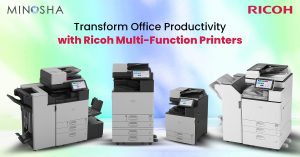
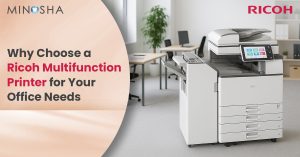
- Operations needing occasional finishing flexibility, like a Ricoh multifunction printer that combines scanning, copying, and varied media printing, often align better with cut sheet workflows.
- Budget-conscious shops scaling gradually may prefer starting with cut sheet equipment before investing in continuous feed systems once volume justifies the change.
Reviewing this breakdown against actual job history, rather than projected future volume alone, gives a more realistic picture of which format fits best. Many shops discover their real workload leans more toward variety than raw volume, which shifts the decision toward cut sheet equipment. Others find that a small number of extremely high-volume clients justify the investment in continuous feed technology despite its reduced flexibility. Taking time to map out this pattern before purchasing prevents costly mismatches down the line.
Which Option Fits Your Business?
The right choice ultimately depends on the specific mix of jobs a business handles most often. A shop juggling client work across marketing materials, personalized documents, and small specialty runs will likely find more value in a versatile cut sheet production printer than in a high speed roll fed system. Multifunction capability adds further value for shops that also need scanning and copying built into a single device. A well-chosen Ricoh multifunction printer can consolidate several office functions while still handling moderate production printing needs.
Businesses focused on consistent, high-volume output, such as direct mail houses or book publishers, generally see stronger returns from continuous feed technology despite its higher upfront cost. The speed and reduced per-page cost on long runs can offset the investment relatively quickly for the right volume profile. It is worth requesting demonstrations or trial runs from equipment vendors before committing to either format, since real world performance can vary by brand and model. Taking this extra step helps ensure the final decision holds up under actual daily production demands.
Workflow Integration and Software Compatibility for Cut Sheet Printer vs Continuous Feed Printer
Beyond hardware mechanics, workflow software plays a growing role in the cut sheet versus continuous feed decision. Cut sheet printers often integrate more easily with variable data software used for personalized print jobs, since each sheet can carry unique content without disrupting the feed. This makes them a natural fit for direct mail campaigns that combine personalization with occasional stock changes. Shops running frequent variable data jobs should weigh software compatibility as heavily as raw print speed when comparing machines.
Continuous feed systems typically pair with specialized production software built for high volume, repetitive output like statements or transactional documents. These software packages are optimized for speed and consistency across thousands of pages rather than page by page customization. Switching between formats mid job is rare in these environments, which keeps the software requirements more straightforward. Businesses already using a particular workflow platform should confirm compatibility with either printer format before finalizing a purchase decision.
Long Term Scalability Considerations
Growth plans matter just as much as current volume when choosing between these two printer types. A business expecting steady increases in high volume, single format printing may outgrow a cut sheet system within a year or two, making an early investment in continuous feed technology worthwhile. On the other hand, a shop expecting to diversify into more varied, design driven work might find that scaling up cut sheet capacity serves growth better than committing to a roll fed system. Thinking several years ahead, rather than focusing only on present needs, helps avoid a costly equipment change down the road.
Trade in and resale value also factor into long term planning, since printing technology continues to evolve and older machines eventually need replacement. Continuous feed equipment tends to hold specialized value within high volume printing niches, while cut sheet machines often have broader resale appeal due to their versatility. Consulting with equipment vendors about typical upgrade cycles for each format can clarify which option offers better long term flexibility. This kind of forward planning turns an equipment purchase into a strategic decision rather than a reactive one.
Final Thoughts
Cut sheet and continuous feed printers each solve different problems, and neither format is universally better than the other. The right decision comes down to job variety, volume, and the specific substrates a business regularly works with. Shops handling diverse, shorter runs generally benefit from the flexibility of cut sheet equipment, while high volume, single format operations tend to favor the speed of continuous feed systems. Taking an honest look at daily production patterns, rather than choosing based on speed specs alone, leads to a far more useful investment.
Working through actual job history and testing equipment before purchase helps avoid an expensive mismatch. Many businesses find that a hybrid approach, using different machines for different job types, offers the most practical long term solution. Whatever the final choice, understanding how each technology performs under real conditions puts any print operation in a stronger position. The result is equipment that supports growth rather than limiting it.