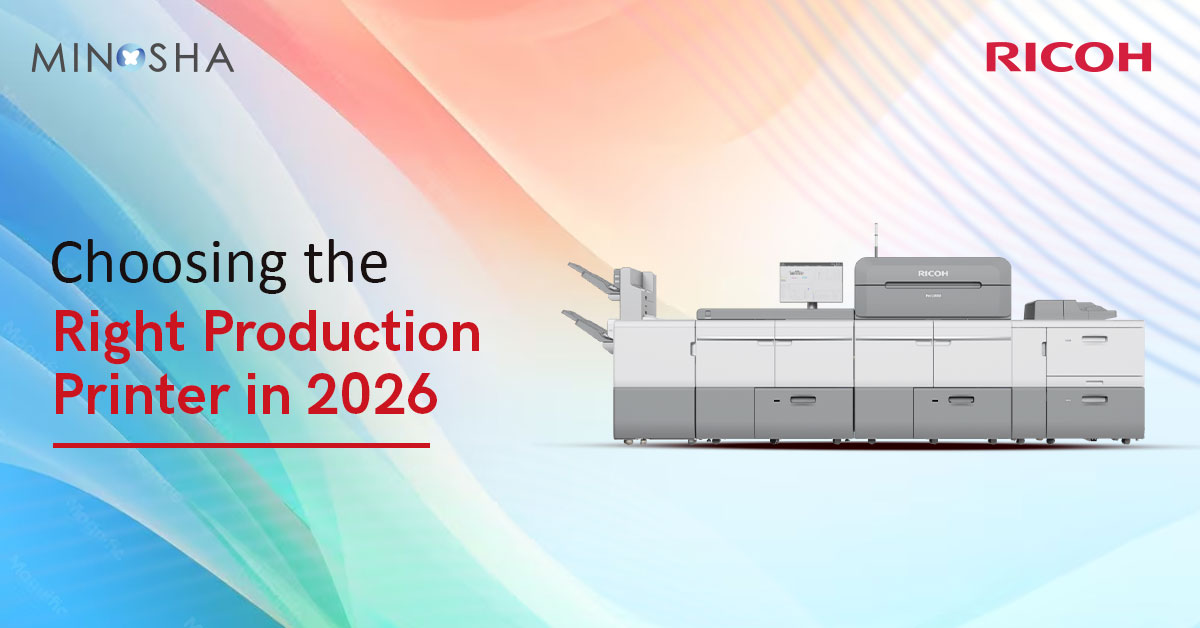
Choosing the Right Production Printer in 2026
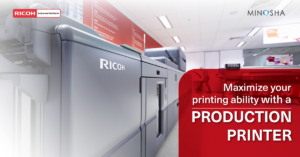
In a more competitive print industry, investing in the right production printer is no longer just about fulfilling current needs, but also about preparing for future growth. As customer expectations continue to evolve, print businesses are challenged to deliver higher quality, faster turnaround times and greater application versatility while maintaining operational efficiency.
The production printers of 2026 are equipped with the latest technologies to meet these challenges head on. However, with so many options out there, knowing what features really matter can help businesses make a more informed investment decision.
Exceptional Print Quality
Print quality remains one of the most important factors driving customer satisfaction. Businesses need a production printer that can produce consistent and professional results for marketing collateral, packaging prototypes, direct mail, photo books and commercial print applications.
Today’s production printers are being engineered to provide sharper text, smoother gradations, richer colours and more accurate image resolution on a range of substrates. Consistency is equally important, with each print run maintaining the same high standards from the first sheet to the last. Better quality prints not only improve the final output but also build customer confidence and brand reputation.
High-Speed Performance
Speed has become a key requirement as print volumes continue to grow and turnaround times get shorter. Production environments require equipment that can process large jobs efficiently and with quality.
Today’s production printers combine high-speed output and intelligent processing capabilities to allow businesses to complete more jobs in less time. Faster production cycles help to maximise equipment utilisation, improve workflow efficiency and enable print providers to respond quickly to urgent customer requirements.
Media Flexibility
Customer requirements are becoming increasingly diverse, creating a need for production printers that can handle more than standard paperwork. From premium marketing materials and book covers to synthetic media and specialty applications, versatility has become a significant competitive advantage.
Modern production printers support a broader range of media weights, textures, finishes, and sheet sizes, allowing businesses to diversify their offerings. This flexibility enables print providers to enter new markets, deliver customised applications, and create higher-value products that generate additional revenue opportunities.
Intelligent Automation
Automation is changing the landscape of production printing by simplifying complicated processes and easing the burden on operators. Features such as automated colour management, intelligent media recognition and workflow integration help to ensure consistent results while minimising manual intervention.
Automating routine tasks can help businesses reduce set up times, minimise errors and improve overall productivity. This enables operators to focus on higher-value activities and maintain efficiency across multiple jobs and applications.
Reliability for Continuous Production
In a production printers, downtime directly impacts profitability. Missed deadlines, delayed deliveries, and interrupted workflows can affect both business performance and customer satisfaction.
A reliable production printer is designed to withstand heavy workloads while maintaining high output quality. Durable components, and efficient maintenance processes help ensure uninterrupted production, allowing businesses to meet customer expectations with confidence.
Scalability for Future Business Growth
The printing industry continues to evolve, and businesses need technology that can grow alongside their requirements. Choosing a production printer should involve considering not only present needs but also future opportunities.
Scalable solutions allow organisations to accommodate increasing print volumes, support new applications, and adapt to changing customer demands without requiring frequent equipment upgrades. A future-ready investment provides greater flexibility and long-term value as business requirements expand.
Sustainability Without Compromising Performance
Sustainability has become an important consideration for businesses across industries, including print. Customers increasingly expect environmentally responsible practices, while organisations seek ways to reduce operational costs and resource consumption.
Modern production printers incorporate energy-efficient technologies, optimised toner usage, and waste-reduction capabilities that support sustainable operations. These advancements help businesses lower their environmental footprint while maintaining the performance and productivity required in today’s competitive market.
Empowering Print Businesses with Minosha
At Minosha, we understand the evolving challenges faced by commercial printers, print service providers, and enterprise print environments. Our advanced production printing solutions are designed to deliver exceptional image quality, reliable performance, intelligent automation, and media versatility that help businesses stay ahead of market demands.
With a focus on innovation, productivity, and long-term value, Minosha enables organisations to optimise their print operations, expand service capabilities, and unlock new growth opportunities.
Conclusion
Selecting the right production printer in 2026 requires a careful balance of performance, quality, flexibility, reliability, and future readiness. Businesses that invest in technology capable of supporting evolving customer expectations will be better positioned to improve efficiency, enhance profitability, and remain competitive in a rapidly changing print landscape.
By focusing on the features that truly drive business success, organisations can transform their production printing capabilities and create a stronger foundation for sustainable growth.