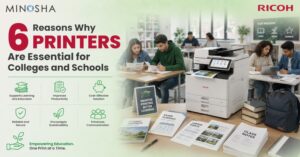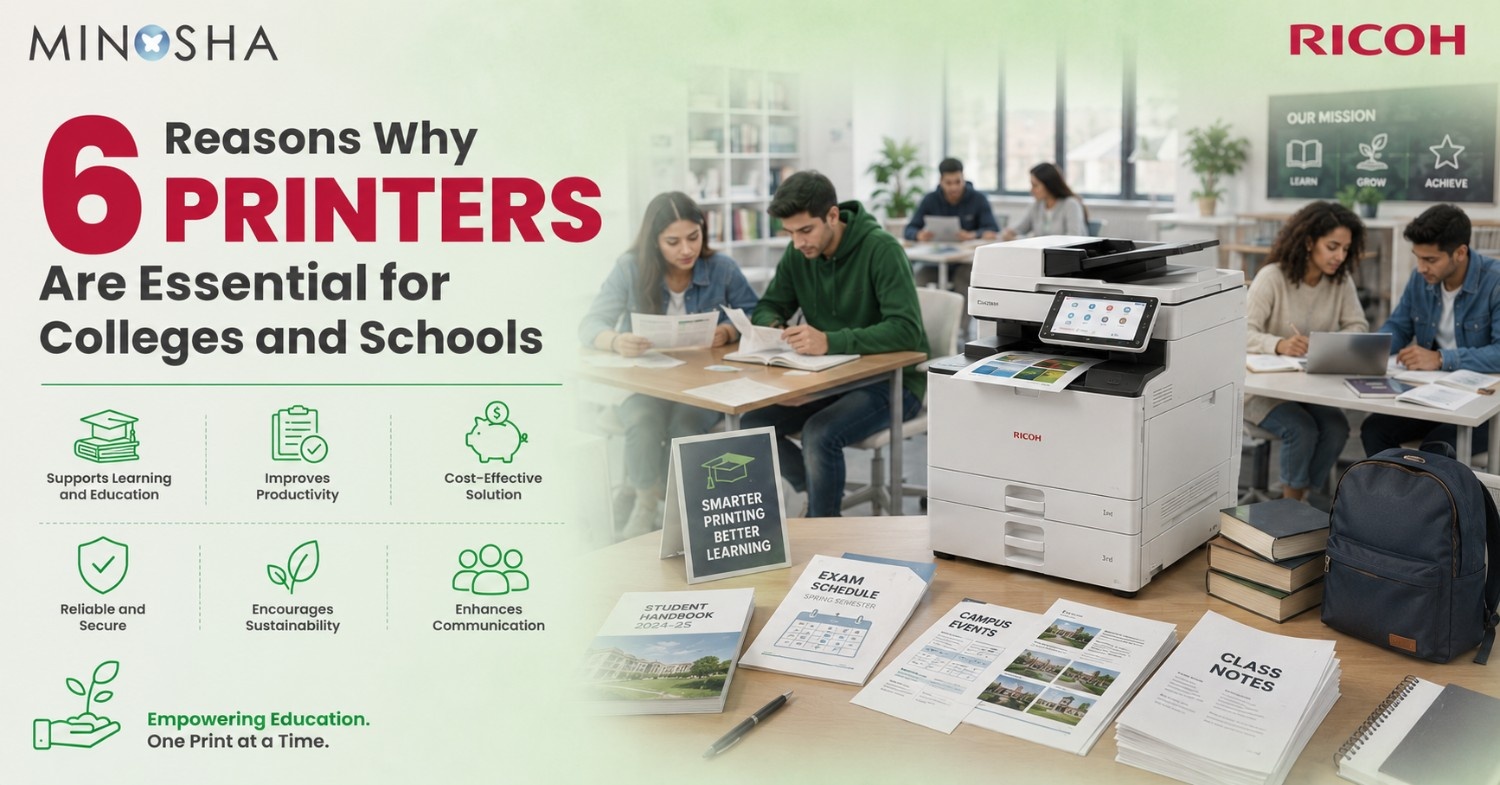
6 Reasons Why Printers Are Essential for Colleges and Schools
Educational institutions operate in a unique environment where information flows constantly between students, teachers, administrators, and parents. Despite our increasingly digital world, printers remain absolutely vital to how colleges and schools function every single day. Physical documents serve purposes that digital files simply cannot replicate in educational settings. This exploration reveals why printing technology continues playing an irreplaceable role in modern education and supports learning in surprising ways.
1. Supporting Diverse Learning Styles and Study Habits
Every student learns differently—that’s not just an educational cliché, it’s scientific fact backed by decades of cognitive research. Many people retain information better when they can physically interact with printed materials, highlighting key passages or scribbling margin notes that make concepts click. Digital screens cause eye strain during marathon study sessions, and let’s be honest, most students find it harder to focus deeply when everything exists only as pixels on a glowing screen. Printed study guides, textbooks, and handouts accommodate visual, kinesthetic, and reading-focused learners who genuinely struggle with screen-based approaches.
Not every student has equal access to reliable technology at home. Providing printed materials ensures educational equity, giving all students the same opportunity to succeed regardless of whether they own the latest tablet or laptop. Physical materials don’t need charging, won’t crash before the big exam, and work perfectly fine when the WiFi decides to quit at the worst possible moment. This reliability transforms printed resources into an essential safety net that keeps education flowing smoothly when technology inevitably disappoints.
Here’s something teachers notice immediately: students working from physical papers can actually concentrate. No notifications pinging every thirty seconds. Social media stays blissfully out of reach. Entertainment remains more than just one tempting click away. The tactile experience of turning pages and physically manipulating study materials creates focused learning environments that screens struggle to replicate, no matter how many “focus mode” apps developers create.
Certain subjects absolutely require hands-on problem-solving with actual pencil and paper. Mathematics, engineering, and architecture students need to sketch diagrams and show detailed calculations the old-fashioned way because attempting these tasks on tablets feels awkward and unnatural. Printed worksheets, graph paper, and problem sets provide the perfect medium for this foundational skill-building that educators have refined over generations. Schools need reliable printers generating these essential learning materials daily, supporting education that goes far beyond reading text on screens.
2. Streamlining Administrative Operations and Communication
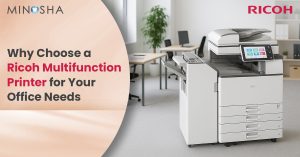
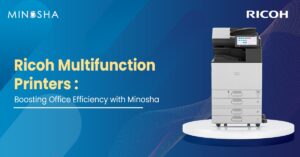
School administrators handle mountains of paperwork—and yes, before you roll your eyes, much of it actually matters for keeping educational institutions running efficiently. Enrollment forms, permission slips, health records, emergency contact information, and official transcripts all require physical documentation that schools must produce, distribute, and archive properly. Legal requirements still mandate paper copies that parents must physically sign, and schools must retain them for years, sometimes decades. A Ricoh multifunction printer handles these varied administrative tasks efficiently, combining printing, copying, scanning, and faxing capabilities in one reliable workhorse.
Communication between schools and families works best through printed notices that parents can stick on refrigerators or tuck into organized folders at home. Digital emails get buried in overflowing inboxes, filtered as spam, or never reach families without consistent internet access. Printed newsletters, event calendars, lunch menus, and important announcements ensure every family receives critical information regardless of their technology situation or digital literacy level. Schools serving diverse communities particularly rely on printed communications to reach all families equally and maintain those vital home-school connections.
Budget reports and board meeting agendas might sound boring, but they require professional printing for distribution to stakeholders, community members, and governing bodies who take them very seriously. These official documents carry institutional credibility that hastily emailed PDFs sometimes lack, particularly when presenting to audiences unfamiliar with digital document management. Large-format printers enable schools to create posters, banners, and signage for events, wayfinding, and campus beautification projects that transform sterile hallways into welcoming learning environments. The sheer variety of printing needs demands versatile, high-capacity equipment handling everything from simple memos to complex multi-page reports with charts and graphs.
Record-keeping regulations in education are no joke—schools must maintain extensive paper documentation for student files, disciplinary records, special education plans, and standardized test results. Digital backup systems provide convenience, absolutely, but legal compliance often necessitates signed, printed originals that survive technology changes and remain accessible decades later. Schools without robust printing capabilities struggle to meet these compliance requirements and risk legal complications that threaten their very operations. Quality printing infrastructure protects institutions while enabling them to serve students and families effectively without legal nightmares.
3. Facilitating Assessment and Testing Procedures
Standardized tests still rule the educational measurement landscape, and most require printed materials for valid administration that everyone trusts. Test security protocols prohibit digital administration to prevent cheating, answer sharing, or unauthorized access to test content before scheduled exam times—students are resourceful, after all. Printed test booklets allow proctors to control distribution, monitor student work closely, and collect materials in ways that maintain assessment integrity throughout the entire nerve-wracking process. Schools produce thousands of test pages annually, requiring industrial-strength printing equipment that delivers consistent quality when the stakes run highest.
Teachers create customized assessments tailored to their specific curriculum and student needs—cookie-cutter digital platforms just don’t cut it for educators who know their students. Printed tests allow teachers to include diagrams, charts, mathematical notation, and specialized formatting that assessment software struggles to display properly without glitches. The flexibility to design and print unique assessments gives teachers creative control over evaluation methods matching their teaching styles perfectly. Quick turnaround times from classroom printer to student desk enable responsive teaching that adjusts to real-time classroom dynamics rather than rigid predetermined schedules.
Students with learning disabilities or special accommodations often require modified test formats with enlarged text, specific spacing, or alternative layouts. Individualized Education Plans (IEPs) may mandate particular presentation formats that standard digital platforms cannot provide without expensive customization or specialized software that budget-strapped schools can’t afford. Printing allows schools to meet these legal obligations affordably, ensuring every student receives appropriate testing conditions for accurate ability measurement. This inclusive approach to assessment depends entirely on flexible printing capabilities adapting to wonderfully diverse student needs.
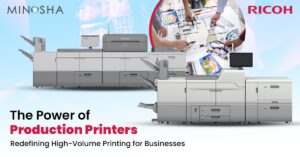
Answer sheets and grading rubrics represent additional printing needs that assessment processes generate throughout jam-packed academic years. Teachers need model answers, scoring guides, and feedback forms helping them evaluate student work consistently and efficiently without burning midnight oil unnecessarily. Cut sheet production printer equipment handles these high-volume jobs reliably, delivering the quantity and quality schools demand during those intense testing seasons when everything happens simultaneously. On-demand printing prevents waste while ensuring teachers always have exactly what they need precisely when they need it most.
4. Enabling Creative Projects and Hands-On Learning
Art classes, science labs, history projects, and literature studies all thrive on printed materials that transform abstract concepts into tangible learning experiences. Science teachers print detailed diagrams of cellular structures, planetary systems, or chemical compounds that students can label, color-code, and study interactively rather than passively staring at screens. History educators produce primary source documents, historical photographs, and timeline materials that bring past events to life more vividly than any textbook description possibly could. These printed resources create multisensory learning experiences deepening understanding and making abstract concepts concrete, memorable, and genuinely exciting.
Student projects frequently require printing capabilities for creating presentations, posters, research papers, and portfolio materials showcasing their learning achievements to the world. Science fairs, literary exhibitions, and community showcases demand professional-quality printed materials that communicate student ideas effectively to diverse audiences who might include judges, parents, or community leaders. Schools with limited printing access inadvertently disadvantage students who cannot produce polished final projects fairly representing their knowledge and tremendous effort. Providing robust printing facilities levels the playing field, ensuring all students can present their work professionally regardless of what resources they have at home.
Creative writing programs, school newspapers, literary magazines, and yearbook committees depend entirely on printing technology to amplify student voices throughout the broader school community. These publications teach invaluable skills in writing, editing, design, and project management while building school spirit and preserving institutional memory for future generations who’ll appreciate it. Digital-only publications lack the permanence and ceremonial significance that printed volumes provide—they fail creating the keepsakes that students treasure throughout their entire lives. Schools supporting these programs through quality printing infrastructure invest in student development extending far beyond traditional academic subjects into real-world skills.
Makerspaces, STEM labs, and vocational programs use printed templates, patterns, and instructional materials guiding hands-on creation of actual physical objects and projects that students can hold. Whether cutting fabric in fashion design, assembling electronics in engineering class, or following blueprints in carpentry, students need accurate printed guides they can reference while working with their hands occupied. Three-dimensional, tactile learning experiences require two-dimensional printed supports bridging the gap between conceptual planning and physical execution beautifully. Commercial production printers in educational settings enable these innovative programs by providing the volume and variety of printed materials these exciting hands-on curricula absolutely demand.
5. Maintaining Professional Development and Teacher Resources
Teachers continuously develop their skills through workshops, training sessions, and professional learning communities that distribute printed resource materials participants can reference throughout their entire careers. Curriculum guides, teaching strategies, classroom management techniques, and subject-specific methodologies come alive through printed handbooks that educators can annotate with personal insights, bookmark for quick reference, and organize according to their unique teaching approaches. Digital resources vanish when platforms shut down or subscriptions lapse—we’ve all been there—but printed materials remain accessible regardless of technology changes or sudden budget constraints. This permanence makes printed professional development materials particularly valuable for long-term teacher growth and preserving institutional knowledge that might otherwise disappear.
Lesson planning requires teachers to gather, organize, and prepare numerous handouts, worksheets, graphic organizers, and supplementary materials for daily instruction across multiple classes with different needs. A single teacher might need hundreds of copies weekly to serve all their students with appropriately differentiated materials meeting wonderfully diverse learning requirements. Without convenient access to reliable printing, teachers either spend personal time and money at copy shops (which adds up quickly) or compromise instruction by skipping valuable activities altogether. Schools providing adequate printing capacity respect teacher time and support the instructional excellence that quality teaching absolutely requires for student success.
Faculty meetings, department collaborations, and committee work generate continuous needs for agenda printing, document sharing, and collaborative review of evolving policies and procedures. Educators working together to improve school programs need physical copies they can mark up with questions, compare side-by-side during discussions, and reference thoroughly during limited meeting times when everyone’s schedule finally aligns. Digital document sharing works poorly in collaborative settings where multiple people need simultaneous access to identical materials for productive brainstorming and decision-making. Printed packets facilitate these crucial conversations driving school improvement and maintaining the educational quality that communities expect and students deserve.
Professional libraries within schools contain printed research articles, teaching journals, and educational resources that inform evidence-based instructional practices across all subject areas and grade levels. While some resources exist online behind paywalls, comprehensive access to educational research requires printed subscriptions that schools maintain for faculty reference and professional growth without financial barriers. Teachers researching best practices, seeking new approaches to stubborn problems, or troubleshooting classroom challenges need convenient access to these materials without subscription requirements or frustrating login procedures. Printing selected articles for personal study supports the continuous learning that excellent teaching demands, making printers essential infrastructure for professional excellence rather than optional luxury items.
6. Preserving Institutional Memory and Creating Community
School archives preserve institutional history through printed photographs, newspaper clippings, event programs, and commemorative publications documenting decades of educational achievement and community growth worth celebrating. These physical records withstand technology changes that render digital formats completely obsolete—try opening a file from twenty years ago sometime—ensuring future generations can access their school’s heritage without specialized equipment or obsolete software. Yearbooks represent perhaps the most cherished printed materials schools produce, creating permanent records of each graduating class that alumni treasure throughout their entire lives and share with their own children someday. The communal experience of sharing, signing, and reminiscing over physical yearbooks creates bonds that digital equivalents simply cannot replicate authentically, no matter how many features developers add.
Graduation ceremonies, award presentations, and recognition events require printed programs, certificates, diplomas, and commemorative materials honoring student achievement with appropriate formality and permanence befitting such important milestones. These tangible symbols of accomplishment carry emotional weight that digital badges or electronic certificates utterly lack, serving as physical proof of educational milestones students and families display proudly on walls and mantles. Schools that skimp on these printed traditions diminish the ceremonial significance of educational achievement and miss golden opportunities to celebrate success meaningfully with proper gravitas. Quality printing for these occasions demonstrates institutional pride and deep respect for student accomplishments that genuinely deserve proper recognition and celebration.
School spirit flourishes through printed materials like team rosters, game programs, spirit wear designs, and promotional materials building community identity and institutional loyalty among students, families, and alumni who bleed school colors. Athletic programs particularly depend on printed schedules, statistics sheets, and commemorative posters that transform local competitions into community events worthy of genuine excitement and passionate support. These materials create shared experiences and common references that bind diverse individuals into cohesive school communities with strong, enduring traditions passed down through generations. The physical presence of these printed items throughout campus and community reinforces school identity in ways that purely digital communications simply cannot achieve, regardless of how many social media platforms schools maintain.
Legacy projects, memorial gardens, scholarship programs, and capital campaigns all utilize printed materials to communicate effectively with donors, recognize generous contributions appropriately, and preserve the inspiring stories of individuals who shaped the institution over time through their dedication. These development materials require professional quality reflecting well on the school and demonstrating appropriate stewardship of community support and precious resources entrusted to the institution. Printed annual reports, donor recognition pieces, and campaign materials build the trust and transparency that sustain long-term community investment in educational excellence and future success. Schools serious about resource development must maintain printing capabilities producing communications worthy of the significant investment they seek from generous supporters who care deeply about education.
Conclusion
The essential role of printers in educational settings extends far beyond simple document reproduction to touch nearly every aspect of how schools function and students learn effectively in our modern world. From supporting diverse learning styles to enabling creative expression, facilitating fair assessment to preserving cherished institutional memory, printing technology remains deeply woven into the very fabric of quality education that communities depend upon. Schools investing in robust, reliable printing infrastructure demonstrate genuine commitment to educational excellence, teacher support, and student success across all dimensions of the learning experience that shapes young minds. As educational institutions plan for the future, maintaining and upgrading printing capabilities should remain a priority that enables rather than hinders the educational innovation preparing students for tomorrow’s exciting challenges and opportunities.