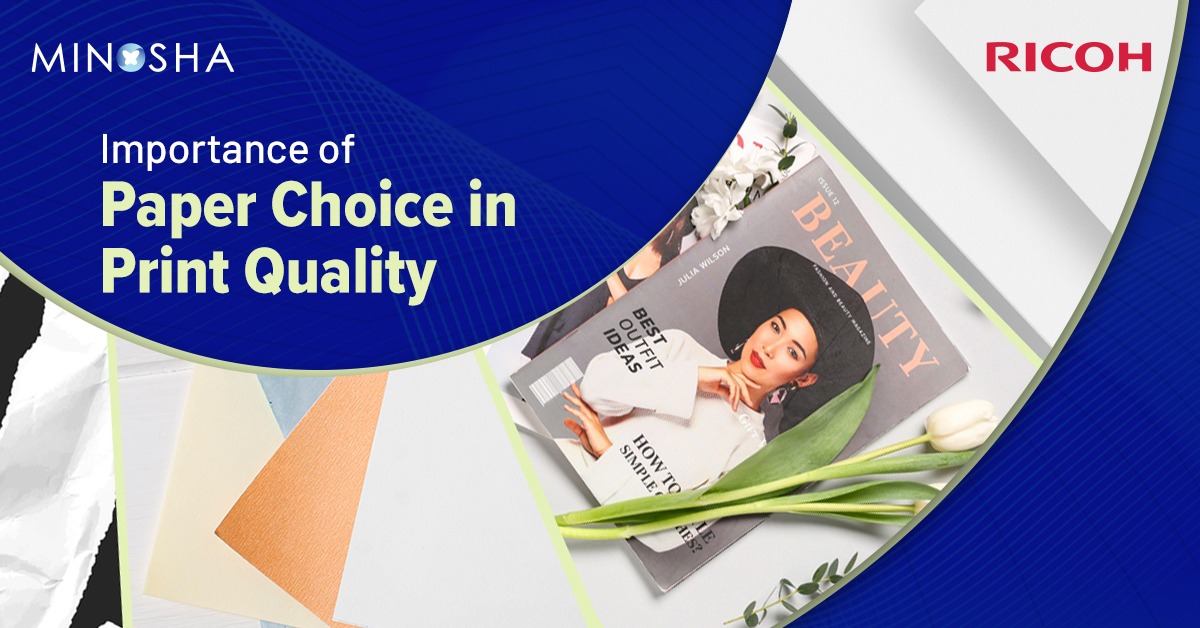
When people think about printing, they often focus on the machine first. They look at speed, color accuracy, or how advanced the device is. But in reality, the quality of any printed material depends just as much on the paper you choose as on the printer itself. Paper is not just a surface where ink settles. It is an active part of the entire printing process. Every sheet reacts differently, absorbs color differently, and influences how the final design looks and feels. Understanding this simple truth can completely change the way you approach printing.
Paper is one of the most overlooked elements in the industry. It seems ordinary, yet it holds the power to elevate or ruin the final outcome. Whether you are printing marketing brochures, product catalogs, brand collaterals, or everyday office documents, the type of paper you select plays a major role. A printed design may look stunning on your screen, but if the paper cannot handle the ink flow or the color density, the final result will fall flat. This is why the paper you choose is as important as the technology inside your Color Production Printers.
Ink absorption is one of the first factors that determines print quality. Different papers absorb ink in different ways. When the surface is too porous, the ink seeps deep into the fibers. This causes dull colors, blurred edges, and low contrast. On the other hand, when the paper is coated or has a tighter structure, the ink stays on the surface for a longer time. This helps the colors look brighter, sharper, and more accurate.
A common example is the difference between matte paper and glossy paper. Matte paper absorbs more ink, resulting in softer tones and a smooth appearance. Glossy paper barely absorbs ink, allowing it to stay on top and produce bold, vivid visuals. Neither is “better.” Each suits different needs. The point is simple: if you want crisp details, choose a surface that supports that level of sharpness. If you want a calm, subtle finish, go for paper that absorbs ink more freely.
Paper texture is not just about how the sheet feels. It influences how light hits the printed surface. When light interacts with smooth paper, it reflects evenly. This creates a shiny, clean look, which works well for photos and high-definition images. Meanwhile, textured paper scatters the light in different directions. This makes the print look softer and more organic.
Businesses often choose textured paper for luxury elements like wedding cards, corporate invitations, certificates, and premium packaging. Smooth paper is preferred for magazines, catalogs, and advertising materials where every color must pop. Understanding texture lets you make better decisions depending on the purpose of the print.
The thickness of the paper, also known as GSM (grams per square meter), influences print durability, the feel in hand, and even how the paper moves through your machine. Low-GSM paper is lightweight and flexible. It is suitable for everyday printing, office use, or drafts. High-GSM paper, however, feels premium and supports heavy ink loads.
Heavier sheets do not curl easily and can handle intense printing processes without warping. For branding materials like business cards, brochures, tags, and menus, thick paper can instantly elevate the perception of quality. Customers may not always understand why something looks or feels good. But they sense the difference instantly when the paper has weight and substance.
This choice has a direct impact on the final output. Coated papers come with a smooth surface that enhances color vibrancy. They are excellent for photos, detailed graphics, and promotional materials. The coating prevents ink from spreading too much, which maintains clarity.
Uncoated papers absorb more ink. They are natural in finish, slightly rough in feel, and excellent for text-heavy documents. Because there is no coating, they offer a softer, more tactile experience. Books, letterheads, envelopes, and stationery items often use uncoated paper for this reason.
Choosing between coated and uncoated papers is about understanding what you want the audience to feel. If the goal is precision and color intensity, choose coated. If you want warmth, readability, and a natural feel, uncoated is the better option.
Brightness or whiteness levels affect how colors appear on paper. A brighter sheet reflects more light. This makes colors pop and helps black ink appear deeper and more dramatic. When the paper is not very bright, the colors may look muted or slightly off.
White balance also matters. Paper can be cool-white, warm-white, or natural white. Cool-white papers enhance blues and vibrant tones. Warm-white papers add a gentle, yellowish tint that works beautifully for classic or vintage designs. This subtle difference influences mood and brand perception. Even small changes in whiteness can shift how your final print looks.
Photos demand precision. They need a surface that supports detail, sharpness, and color consistency. This is why photo printing always specifies the type of paper to use. Glossy and satin papers generally work best because they complement high-resolution images.
Brand graphics, including logos, patterns, and marketing elements, need consistency. If the paper is unreliable, the brand colors may shift from batch to batch. This creates an unprofessional look and dilutes brand value. Choosing the right paper ensures that every print matches the previous one, allowing companies to maintain standards.
Paper influences how people perceive your work even before they read or see the content. A thick, premium paper immediately communicates quality. A thin, flimsy sheet creates the opposite effect. This psychological factor is important in marketing, packaging, and branding.
Luxury brands almost always use premium textured or heavy paper because it aligns with their identity. Educational materials, manuals, and office documents stick to plain uncoated sheets because they want clarity and function. The paper you choose becomes part of your brand voice.
You may have the best production printer, but if the paper is incompatible, print quality will suffer. Poor-quality sheets can cause jams, misfeeds, smudging, and uneven ink distribution. Modern printers are built to handle a wide range of paper types, but they perform best when the sheet matches the printing method.
Laser printers need paper that can withstand heat. Inkjet printers require paper that absorbs ink correctly. High-capacity printing environments rely on paper that flows through the machine smoothly without bending or tearing. Matching paper to printer technology ensures smooth operations and reduces wastage.
Paper comes in many price ranges. While it may be tempting to choose the cheapest option, it may not be worth it in the long run. Low-quality paper often absorbs too much ink, ages faster, and may cause printing issues. On the other hand, the most expensive paper isn’t always necessary. The key is to choose paper that suits your purpose while aligning with your budget.
For example, a premium glossy sheet is perfect for a client-facing brochure but unnecessary for internal office documents. Smart paper choices help balance cost and quality.
Today, many companies are conscious of sustainability. Recycled paper, FSC-certified paper, and eco-friendly options are becoming more common. These papers deliver excellent print quality while reducing environmental impact. Choosing sustainable paper supports your brand’s commitment to responsible practices.
Consumers appreciate brands that care. Eco-friendly paper helps raise credibility and trust without compromising on print quality.
Paper is not just a background. It is a key player in print quality. The surface, weight, texture, brightness, and composition all work together to influence how the final output looks and feels. When you understand the qualities of different papers, you take control of the printing process. You gain the power to decide how your message appears, how your brand is perceived, and how your audience responds.
Choosing the right paper is not complicated—it simply requires awareness. Once you experience the difference, you will never look at printing the same way again.




































Subscribe to our Newsletter for Exclusive Insights and Updates!